
Boost Your Rankings with Blog Submission in SEO: A Comprehensive Guide to High-ROI Content Placement
To truly Boost Your Rankings with Blog Submission in SEO, we must move beyond mass-syndication and focus on strategic, high-value content placement. For over 13 years, Backlink Engines has guided international brands in ethical, ROI-driven blog submission strategies, helping businesses increase domain authority, referral traffic, and Google ranking signals without risking penalties.
The Strategic Value of Blog Submission in the Modern SEO Ecosystem
Blog submission is more than a backlink tactic—it’s a method to establish authority, relevance, and trust in your niche. By contributing well-researched, high-quality content to authoritative blogs, your brand signals expertise (E), authoritativeness (A), and trustworthiness (T) to both users and search engines.
Unlike directory submissions or classified ads, blog submissions offer long-lasting SEO benefits, including:
- Domain Rating (DR) boost via authoritative placements
- Referral traffic from engaged readership
- Enhanced topical relevance in your niche
International brands must adapt to regional markets. In the USA and Canada, high-visibility niche blogs and trade publications are ideal for establishing credibility. In Europe (Germany, France), multilingual submissions ensure content resonates locally and adheres to data compliance. In Japan and Singapore, competitive, regional blogs provide exceptional link value but require meticulous outreach. Emerging markets like India and Australia offer rapid visibility when you identify high-traffic regional blogs with engaged audiences.
Self-link reference: For businesses aiming to implement ethical and high-ROI blog submission, this method remains the pinnacle: Boost Your Rankings with Blog Submission in SEO.
Identifying High-Quality Targets: Why Authority Matters More Than Volume
Not all blogs are created equal. A single post on a high-authority, niche-relevant blog outweighs dozens of generic directory submissions. Google values quality over quantity, rewarding well-placed content that demonstrates expertise.
Contrast the structured, high-impact nature of blog submissions with low-effort directories or classifieds: Directory Submissions vs Classifieds: What’s Better for SEO. While directories provide basic listing signals, they rarely deliver topical relevance or referral traffic.
Criteria for high-quality blogs:
- Domain Authority (DA) / Domain Rating (DR): Prefer blogs with DR > 40 for measurable link equity.
- Topical relevance: Align with your industry or niche.
- Engaged audience: Check social shares, comments, and readership.
- Content quality: Professional editing, consistent publication, and minimal spam signals.
Region-specific examples:
- USA: Tech companies thrive on high-DA niche blogs like TechCrunch or HubSpot.
- Germany: German-language blogs such as t3n.de amplify local authority.
- Singapore: Regional marketing blogs provide competitive advantage in Southeast Asia.
Selecting targets thoughtfully ensures links pass meaningful PageRank, anchor text relevance, and topical signals to your domain.
The Link Equity Scorecard: Do-Follow, Relevance, and Anchor Text Optimization
Once a blog is identified, assess its link equity potential. Consider three pillars:
- Do-Follow vs. No-Follow: Do-follow links contribute PageRank; no-follow links can still drive traffic and visibility.
- Relevance: Links in contextually related content boost topical authority.
- Anchor Text Optimization: Natural, relevant anchor text signals the topic without keyword stuffing.
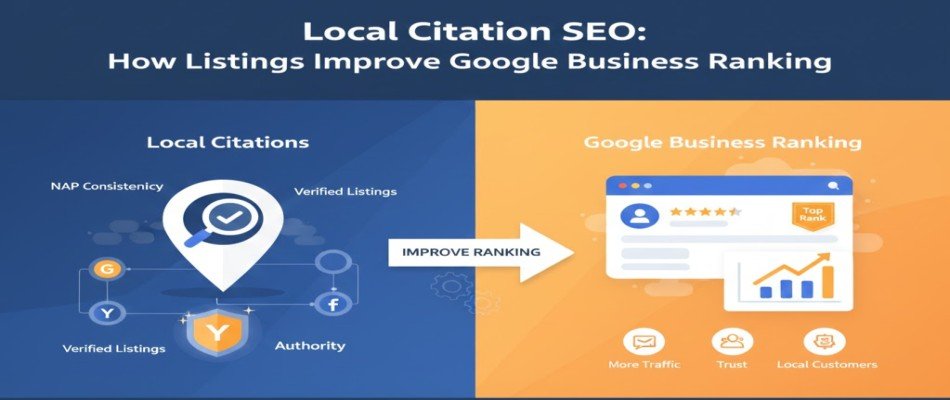
Compare this to regional citation signals: Local Citation SEO: How Listings Improve Google Business Ranking. While citations verify location and contact info (NAP), blog submissions actively transmit authority, relevance, and topical trust globally.
The Step-by-Step Process for Perfecting Your Blog Submission Outreach
Successful outreach blends research, personalization, and follow-through. Unlike generic classifieds that rely on templates, high-quality blog submission requires a meticulous approach: Tips for Effective Classified Ad Submission.
Key steps:
- Identify and segment blogs: Based on DR, niche, and geographic focus.
- Research editorial guidelines: Ensure content aligns with audience expectations.
- Personalized outreach: Avoid generic emails; reference recent posts or insights.
- Pitch content ideas: Propose topics that reflect your expertise and audience needs.
- Submit content: Ensure adherence to word count, formatting, and SEO best practices.
- Follow up respectfully: Maintain professional relationships for potential recurring contributions.
Globally, outreach must consider localization. German blogs require content in German, while Japanese blogs often request original, culturally relevant material. In emerging markets like India, mobile-optimized posts are critical to reaching readers effectively.
Crafting Expert Content That Drives Referral Traffic and Authority
The content itself is the core driver of ROI. Long-form, insightful, and original posts outperform short, transactional submissions: Boost Your Rankings with Classified Submission in SEO.
Tips for crafting effective content:
- Unique insights: Share research, case studies, or experience.
- Scannable structure: Use headings, bullet points, and visuals.
- Internal and external linking: Add relevant links to authoritative sources.
- Call-to-action: Encourage engagement or direct traffic back to your site.
The goal is not just a link but referral traffic, brand recognition, and long-term authority signals.
Monitoring and Measuring Results: The ROI of High-Value Content Contributions
Unlike static directory listings (e.g., Yellow Pages Submission), blog submissions are dynamic. Continuous monitoring ensures campaigns deliver measurable ROI.
Metrics to track:
- Referral traffic and pageviews
- Conversions from linked content
- Domain Rating impact
- Social shares and engagement
- Keyword ranking improvements
Regular tracking allows adjustments to outreach strategy, content quality, or target selection, maximizing return from every blog placement.
Moving Beyond Guest Posts: Finding Niche Submission Opportunities
Beyond traditional guest posting, explore specialized content channels:
- Industry forums with high traffic
- LinkedIn article placements
- Micro-niche blogs with loyal followings
Strategic placement differs from simple ad posting: How to Effectively Post Ads on Classified Submission Sites. By finding overlooked yet authoritative platforms, brands can secure exclusive links and authoritative visibility.
The Future of Link Building: Invest in Authority, Not Volume
Blog submission remains one of the most ethical and effective link-building strategies for 2026 and beyond. Quantity-focused tactics like mass-syndication or spammy commenting can trigger penalties, while strategic, high-quality submissions strengthen EEAT signals, increase referral traffic, and build lasting domain authority.
Backlink Engines has executed global campaigns across the USA, Germany, Singapore, India, and Australia, consistently demonstrating the power of well-placed, expert content. Invest in authority, not volume, and watch your rankings, credibility, and traffic grow.
Final call-to-action: Get Free Consultation.
Frequently Asked Questions (FAQs) on Advanced Blog Submission
Is guest posting still safe in 2026?
Yes, guest posting remains safe if conducted ethically. Google penalizes spammy or low-value contributions, but well-researched, relevant posts on high-authority blogs reinforce EEAT and provide long-term SEO benefits. Focus on quality over mass submissions.
What is the ideal Domain Rating (DR) for a target blog?
Target blogs with DR 40 or higher for meaningful link equity. High DR ensures the link contributes authority and improves your domain’s trust signals. However, relevance and engagement should always complement DR metrics.
How many backlinks should I place in a submitted article?
Ideally, 1–2 relevant backlinks per article maintain natural link ratios. Excessive linking can appear spammy and reduce the value of each link. Place links contextually and only when they enhance the user experience.
Can low-quality blog submissions hurt my SEO?
Yes. Submitting to spammy or irrelevant blogs may trigger penalties or require disavowal. Google’s algorithms detect low-value links, making selective, quality-focused submission critical for risk mitigation.
What defines a “high-quality” blog submission?
A high-quality submission is relevant, well-researched, unique, hosted on an authoritative site, and contains contextual links. It drives referral traffic, demonstrates expertise, and aligns with audience expectations.
How long does it take to see ranking improvement from blog submissions?
Results typically appear within 6–12 weeks, depending on domain authority, content relevance, and indexing speed. Consistent monitoring and follow-up submissions accelerate impact and maximize ROI.
Should I pay for blog submissions or content placement?
Paid placements can offer faster access to high-authority blogs, but ROI depends on the blog’s traffic, relevance, and link quality. Ethical payment for content or sponsored contributions is acceptable when aligned with strategic goals.
What is the best way to write an author bio for SEO?
Include a concise description of expertise, relevant keywords naturally, and one contextual backlink to your site. Avoid keyword stuffing, and focus on credibility and reader trust.
How can I track the ROI of my blog submission campaign?
Monitor referral traffic, lead conversions, keyword ranking improvements, social engagement, and domain authority changes. Use analytics platforms to link submissions directly to measurable business outcomes.
Should the content be unique or can I repurpose existing content?
Content must be unique to avoid duplicate content penalties. Repurposing ideas is fine, but rewrite and optimize fully, using canonical tags if necessary for syndicated content.